

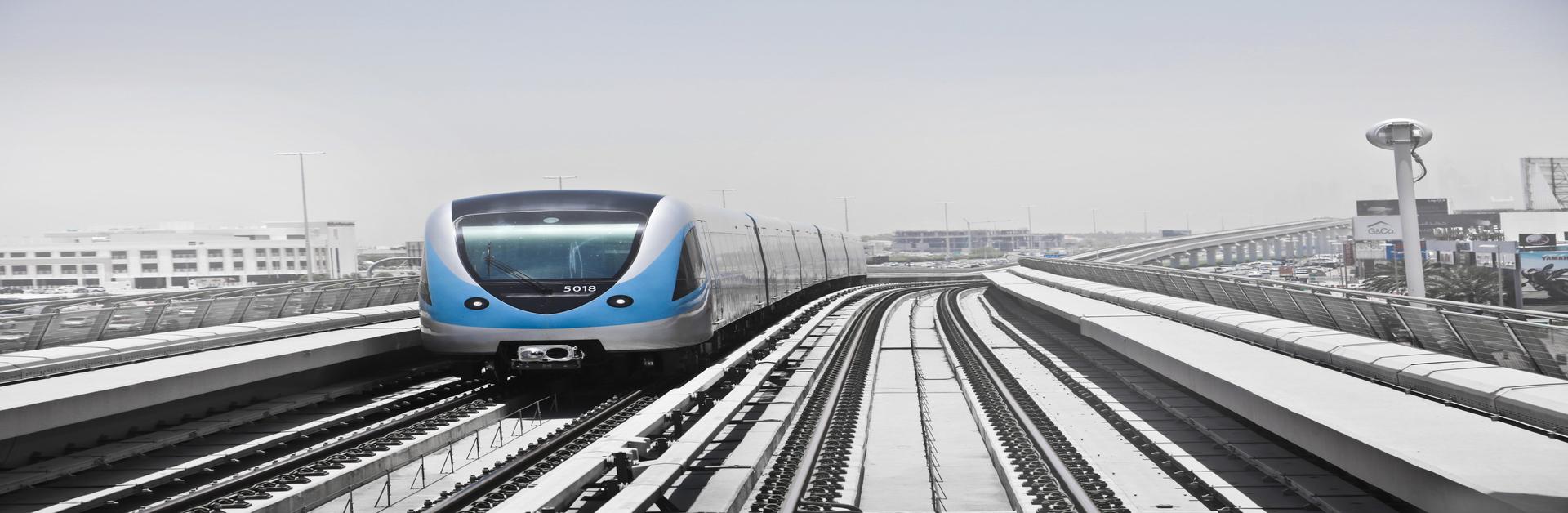
Navi Mumbai Metro - Transforming the City’s Connectivity and Real Estate Potential
The Navi Mumbai Metro is redefining how people travel across the city while creating new real estate growth corridors. With Line 1 operational and more phases underway, property values along metro-linked localities are rising, rental demand is strengthening, and new development clusters are emerging. The metro's long-term impact is expected to shape Navi Mumbai’s urban planning, lifestyle, and investment landscape through 2025 and beyond.
Contents
The Navi Mumbai Metro is less of a transport initiative and more of a real estate attraction. By 2025, its impact is visible across multiple residential areas, commercial nodes, and future township roads. With such rapid progress across the metro project, the city’s mobility and investment landscape is being reshaped at a remarkable pace.
The Metro’s Current Reality
Metro Line 1, stretching almost 11 km between Belapur and Pendhar, is now operational. This operational stretch forms the core of the Navi Mumbai Metro route, connecting key micro-markets easily.
This line services important areas like Kharghar, Belapur, and Taloja, significantly improving connectivity and reducing dependency on road transport as well as private transport. For many Navi Mumbai residents, the Belapur to Taloja metro project has already become a daily convenience rather than a future promise.
Real Estate Uplift from Metro Connectivity
- Premium on Metro-Linked Properties
Properties located near the metro areas are witnessing a clear price premium. It is obvious that homes within walking distance of metro stations not only command higher value but also appreciate faster than non-connected properties.
Developers are increasingly designing projects around the metro-adjacent areas, leveraging the strong demand created by the expanding Navi Mumbai Metro network. - Increased Rental Demand
With Line 1 operational, rental demand has surged, especially among students and young professionals who prioritise convenient commute options.
This demand strengthens the investment appeal of homes situated closer to the Navi Mumbai Metro route, offering stable rental yields and lower vacancy cycles. - Expansion of Emerging Nodes
Previously overlooked localities were now gaining traction all because of the metro. The improved accessibility has unlocked new potential in areas like Kharghar, Ulwe, and Taloja.
These emerging roads are expected to be key beneficiaries of Navi Mumbai Metro Phase 2, which is projected to extend connectivity to additional growth pockets and enhance land value across the whole region. - Boost to Infrastructure Investors’ Confidence
When public transport infrastructure progresses, from operational lines to successful trial runs, the buyer and developer’s confidence rises significantly.
This momentum encourages more launches along the metro project in Navi Mumbai, creating a cycle of sustained urban growth.
Wider Economic and Urban Impact
- Sustainable Mobility: The metro promotes sustainable commuting, reducing traffic congestion on roads and improving air quality in Navi Mumbai.
- Transit-Oriented Development (TOD): Urban planners and developers are increasingly adopting TOD principles, building mixed-use developments near metro stations to maximize value.
- Job Growth: Improved metro access supports new commercial hubs, which attract corporate residents, boosting local employment and demand for office + residential space.
- Long-Term Urban Planning: The phased expansion of the Navi Mumbai Metro, especially anticipated segments of Navi Mumbai Metro Phase 2, supports a more organized urban growth model. more planned, dense, and efficient urban expansion, rather than unchecked sprawl.
Challenges to Watch
- Metro corridors may lead to gentrification, pushing up property prices and potentially displacing lower-income residents.
- While Line 1 is functional, future extensions under Navi Mumbai Metro Phase 2 may face timeline or regulatory delays.
- Increased footfall and demand could strain station-area infrastructure (parking, last-mile connectivity).
Conclusion
The Navi Mumbai Metro is far more than a transit upgrade, it is redefining how people live, move, and invest. By connecting strategic nodes like Belapur, Kharghar, Taloja, and beyond in future phases, the metro unlocks new opportunity corridors citywide. For homebuyers and investors, proximity to the Navi Mumbai Metro route is no longer optional, it’s a strategic advantage.